Steel Slag

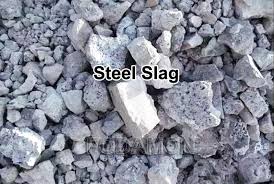
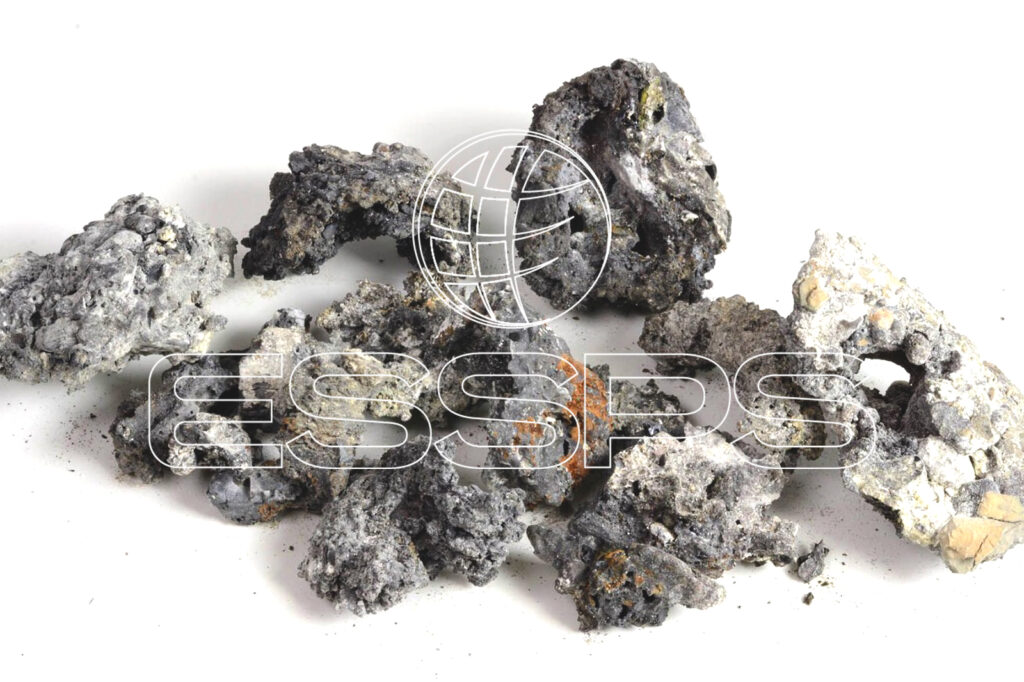
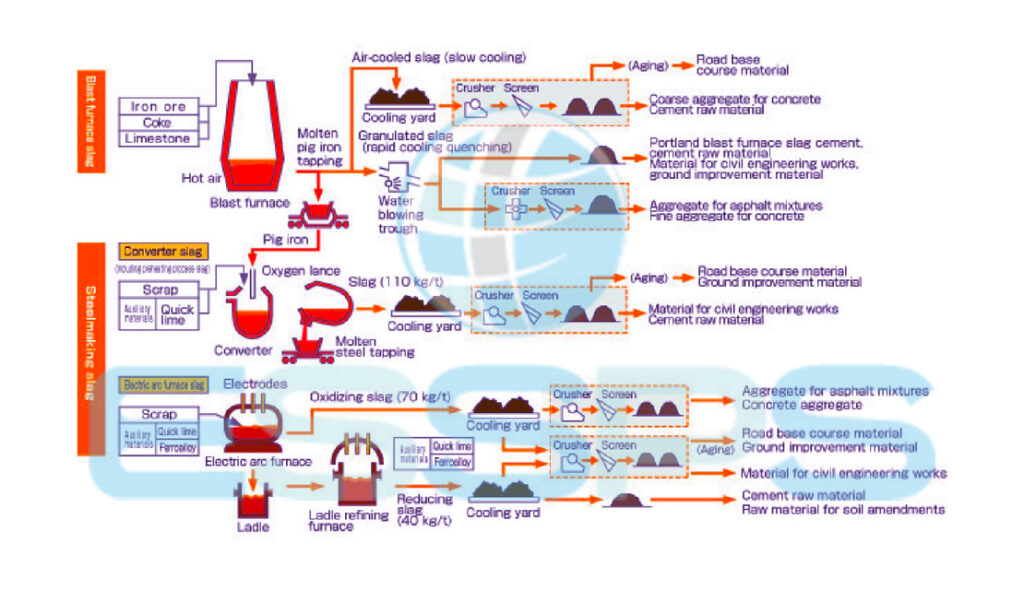
Slag is a solid waste produced during the iron making process in Blast Furnace (BF) , the conversion of iron into steel in a basic oxygen furnace (BOF) or during the melting of scrap to make steel in an electric arc furnace (EAF).
Slag plays important roles in the iron and steel making process as it:
1. Removes the non-ferrous components from the molten iron, which purifies the product.
2. Allows exchange reactions with the liquid metal, to help the desirable elements to stay in the melt while the others are removed.
3. Floats on the surface of the molten metal, protecting it from oxidation by the atmosphere and keeps it clean.
Slag formation process must be controlled to maximize furnace efficiency, reduce impurities in the product, and prolong the life of the refractory lining of the furnace.
Economic value:
Slag is considered one of the most valuable by-products in iron and steel making industry. Due to its richness in metal oxides and other useful elements, slag is recycled to produce valuable end-products which helps environmentally in minimizing the waste as slag may contain hazardous elements and reducing the cost of landfilling. And also helps economically in reducing the cost, energy and emissions required to produce equivalent materials.
Industrial Applications:
According to the National Slag Association website, common uses for slag include:
Slag is generated in large quantities and can replace other more costly ingredients used to make building materials, such as cement, brick, concrete aggregates, wall materials, and glass-ceramic tiles.
Aggregate in granular base, embankments, engineered fill, highway shoulders, and hot mix asphalt pavement
Concrete aggregate in bridge construction and in concrete masonry
Agricultural applications to increase crop yield
Residential and commercial insulation, pipe and process insulation, insulation for ships, mobile homes, and domestic cooking appliances
Erosion control, mineral filter, bank reinforcement, and construction of dikes, reefs and sea walls.
How Slag is formed:
Slag is formed during the process of iron and steel making when a flux material is added to the melt to react with unwanted impurities like silica, alumina and other non-ferrous components lowering their melting point and separate them from the melt in form of oxides.
The Slag layer floats above the surface of the melt which make it easier to be separated and recovered.
Types and classification of Slag:
Slag can be classified into:
1. Blast Furnace slag:
Produced during the production of iron from iron ore. The formed slag is then classified according to the cooling conditions;
Air-cooled Slag: Slag cooled naturally and by water spray in the cooling yard resulting in crystalline rock like structure.
Granulated Slag: Slag cooled rapidly by jets of pressurized water resulting in granulated slag
2. Steel making Slag:
Converter Slag: Produced during the refining process of pig iron into steel.
EAF Slag: Produced during the smelting and refining of scrap to form steel.
After the cooling process for all types; slag is crushed and screened to be recycled in different fields.
Characteristics of Steel slag:
Physical characteristics:
Solid grey material, has no odor and insoluble in water generated as a by-product from iron and steel making processes.
Chemical characteristics:
The main components of iron and steel slag are limestone (CaO), silica (SiO2) and iron oxide in case of steel slag, other components are found in lower concentrations including alumina, magnesia, and other compounds.
Slag is chemically stable under normal conditions of storage and handling and incompatible with acids and strong oxidizing agents.
Our product:
We at Dahab logistics are offering a wide range of high quality solid wastes with full customer support to ensure that all the customers’ requirements are met including quality, quantity, packaging and shipment to fulfil customers’ satisfaction.
Contact us for Specifications and Quotation.
خبث الحديد هو احدى النفايات الصلبة التي تنتج أثناء عمليات صناعة الحديد و الصلب و هو ناتج عماية فصل الشوائب عن الحديد المصهور في فرن الصهر العالي أثناء عملية استخلاص الحديد و أثناء معالجة الحديد و تحويله الي فولاذ في فرن الاكسجين القاعدي و أيضا خلال عملية تصنيع الصلب باستخدام فرن القوس الكهربي. و الخبث يكون علي شكل سائل منصهر من السيليكات و الاكاسيد اقل كثافة من الحديد المنصهر مما يجعله يطفو على سطح الحديد المنصهر و يسهل من عملية فصله.
و يلعب الخبث دورا مهما أثناء عمليات تصنيع الحديد و الصلب حيث انه:
1. ينقي المنتج حيث انه يتحد مع الشوائب و يفصلها عن الحديد المنصهر.
2. يحمي الحديد المنصهر من الاكسدة حيث نظرا لقلة كثافته فانه يطفو على سطح الحديد المنصهر مما يمنع وصول الاكسجين اليه.
ينقسم الخبث الي نوعين:
1. خبث فرن الصهر العالي.
2. خبث صناعة الصلب.
و يتم اعادة تدويرالخبث في العديد من الصناعات و لكن من أهمها: عمليات انشاء و رصف الطرق حيث انه يقلل من تكلفة الانشاء, و يستخدم أيضا كبديل للاسمنت في مواد البناء حيث ان تكلفته اقل بكثير من تكلفه صناعه الاسمنت و أيضا للحفاظ على البيئة حيث ان عملية تصنيع الاسمنت تسبب في انبعاثات مرتفعه من غاز ثاني أكسيد الكربون و أيضا يمكن استخدام الخبث كسماد و محسن للتربة.